


Overview of Ijen Crater
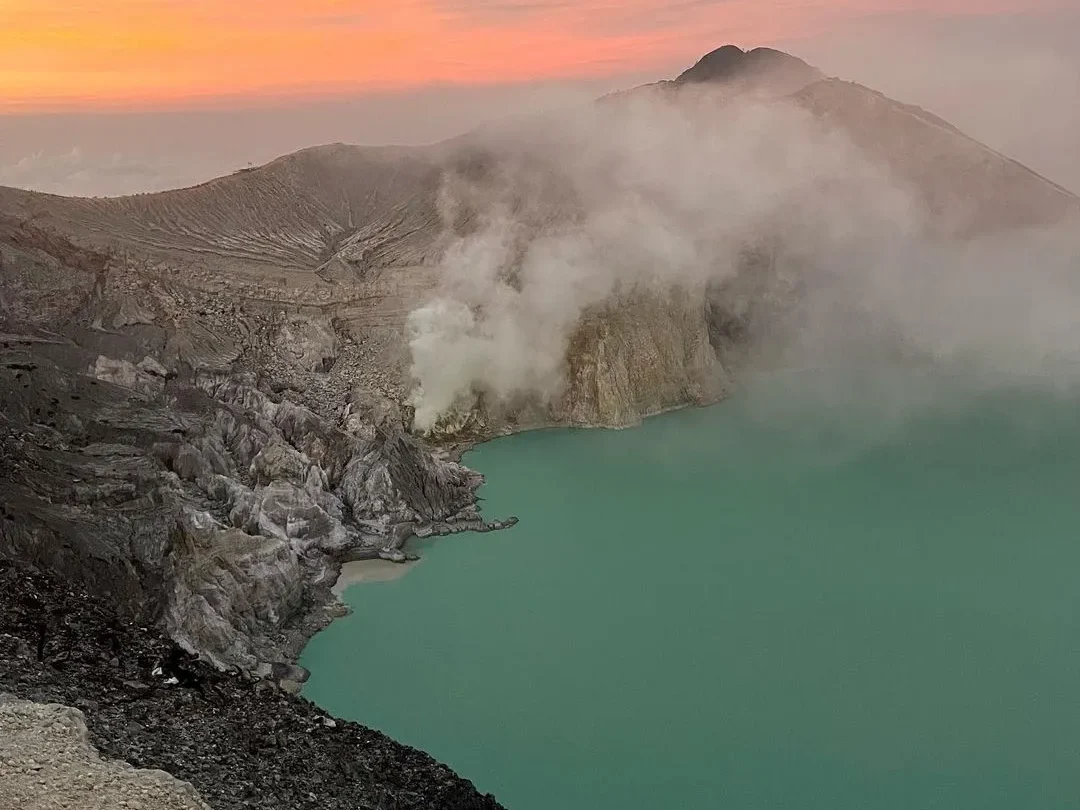
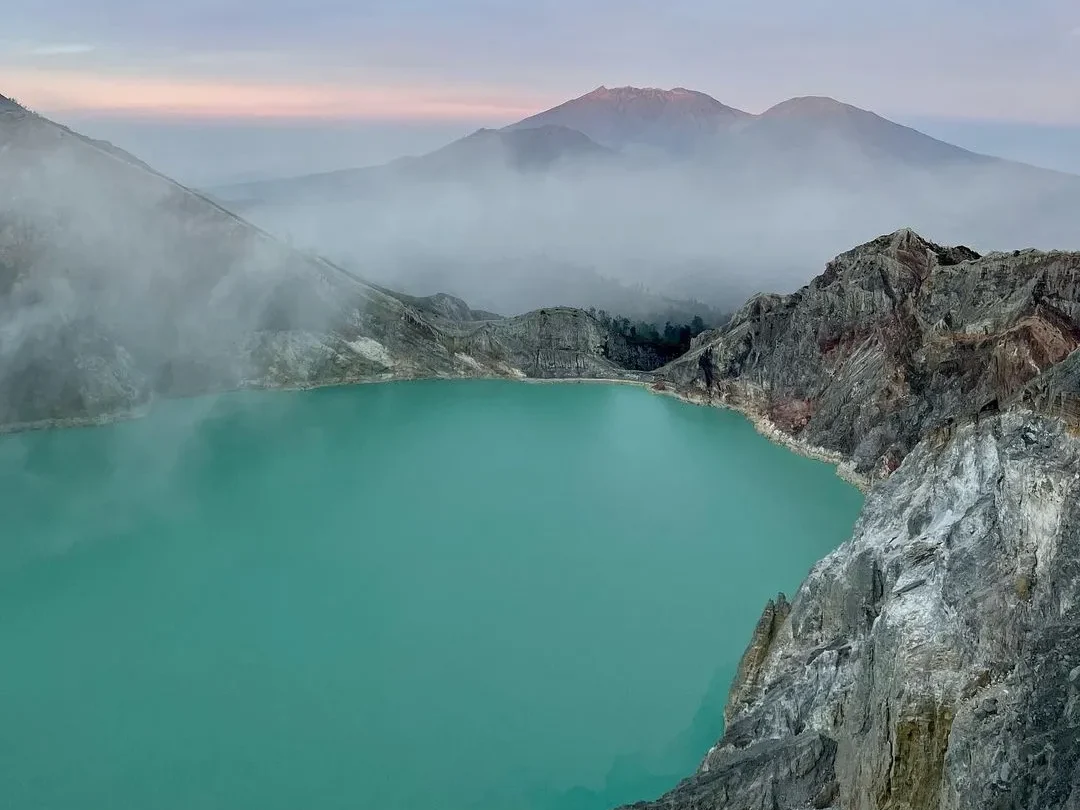
Ijen Crater, located in East Java, Indonesia, is one of the most captivating and unique natural wonders in the country. Famous for its striking blue fire phenomenon, Ijen Crater is an active volcanic crater that draws adventurers and photographers from around the world. The crater features a beautiful turquoise acidic lake, sulfur mining activity, and a surreal landscape that provides a rare opportunity to witness nature’s raw power. The hike to Ijen Crater, especially to see the blue fire at night, is an unforgettable experience.
Key Features
-
Blue Fire:
Ijen Crater is world-renowned for its “blue fire,” a rare natural phenomenon where sulfuric gas ignites as it comes into contact with oxygen, creating an eerie blue glow. The best time to witness this is in the early morning hours before dawn. -
Ijen Crater Lake:
The acidic turquoise lake in the crater is a breathtaking sight, with its vibrant color created by the high concentration of sulfur. The lake is one of the largest acidic crater lakes in the world. -
Sulfur Mining:
Local miners still extract sulfur from the crater’s slopes by hand, carrying heavy loads of sulfur over long distances. This harsh and dangerous process offers visitors a glimpse into the lives of those who work in such extreme conditions. -
Volcanic Activity:
Ijen is an active stratovolcano, and while it doesn’t erupt frequently, its steaming craters and the sulfuric vents serve as a reminder of the ongoing volcanic activity beneath the surface.
Activities to Enjoy
-
Hiking to the Crater:
The hike to Ijen Crater is a challenging yet rewarding adventure. The 3 km (2-mile) trek takes about 1.5 to 2 hours, with steep sections leading to the crater rim. It’s best to start the hike in the middle of the night to catch the blue fire phenomenon at dawn. -
Blue Fire Viewing:
Arrive early to see the blue fire in its full glory. Afterward, enjoy a sunrise view over the crater and lake as the sunlight gradually illuminates the landscape. -
Witness Sulfur Mining:
Watch local miners at work and observe the challenging and dangerous conditions they endure as they collect and transport sulfur from the crater. -
Photography:
Ijen Crater offers excellent photography opportunities, from the dramatic blue fire and sulfuric lake to the sweeping vistas of the surrounding volcanic landscape.
Best Time to Visit
-
Dry Season (April to October):
The best time to visit Ijen Crater is during the dry season when the weather is clearer and the trail conditions are more favorable for hiking. -
Early Morning Hours:
To experience the blue fire, you must start the hike in the early morning hours, around 1:00 AM to 2:00 AM, so you can reach the top in time to see the phenomenon before dawn.
How to Get There
-
From Banyuwangi:
Ijen Crater is located around 30 km (19 miles) from Banyuwangi, East Java, which is the nearest city. It takes about 1 to 1.5 hours by car or motorcycle to reach the Paltuding base camp, where the hike to the crater begins. -
From Surabaya:
From Surabaya, it is about a 6-hour drive to Banyuwangi. Visitors often travel to Surabaya by train or plane and then continue by car or bus to reach the crater.
What to Prepare
-
Warm Clothing:
Temperatures at Ijen Crater can drop to near freezing at night, so bring warm clothing, especially for the early morning hike. -
Sturdy Footwear:
The hike to the crater can be steep and rocky, so wear sturdy, comfortable shoes suitable for hiking. -
Face Mask:
Due to the sulfur fumes in the air, it’s recommended to bring a mask to protect yourself from the strong sulfur odor. -
Flashlight or Headlamp:
Since the hike begins in the dark, bring a flashlight or headlamp to navigate the trail safely.
Accommodations
-
In Banyuwangi:
Banyuwangi offers a range of accommodations, from budget hostels to mid-range hotels. Many visitors prefer staying in Banyuwangi for easy access to Ijen Crater. -
Homestays Near the Crater:
There are a few homestays and guesthouses near the Paltuding base camp where you can stay before or after your hike to the crater.
Travel Tips
-
Hire a Local Guide:
Hiring a local guide is recommended for safety and to ensure you get the best experience. They can help navigate the trail and provide insights into the area. -
Physical Fitness:
The hike is moderately challenging, so some level of physical fitness is required. Be prepared for steep inclines and rocky terrain. -
Safety Precautions:
Ijen is an active volcano, so always follow safety instructions and check for any volcanic activity warnings before visiting.
Nearby Attractions
-
Baluran National Park:
A nearby national park known for its wildlife, including the endangered Javanese bull, and the stunning savannah landscape. -
Bromo Tengger Semeru National Park:
A famous volcanic region in East Java, home to Mount Bromo and the incredible Tengger caldera, offering trekking and sunrise views. -
Kawah Wurung:
A less-known crater near Ijen, offering spectacular views of the surrounding volcanic landscapes.
Ijen Crater is an awe-inspiring destination that offers both natural beauty and a unique adventure. Whether you’re visiting to witness the blue fire, explore the sulfur mines, or simply enjoy the dramatic landscapes, Ijen provides a once-in-a-lifetime experience that showcases the raw power of nature.