


Overview of Merapi Lava Tour
The Merapi Lava Tour is an exciting and adventurous activity that allows visitors to explore the aftermath of the eruption of Mount Merapi, one of Indonesia’s most active and iconic volcanoes. Located near Yogyakarta in Central Java, the Merapi Lava Tour provides a thrilling experience of witnessing the volcanic landscape up close, including lava rocks, volcanic ash, and the rugged terrain created by past eruptions. This tour offers a unique opportunity to learn about the destructive power of volcanoes and the resilience of the local communities that live in their shadow.
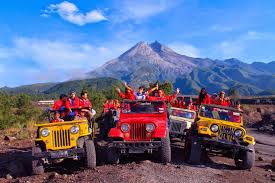
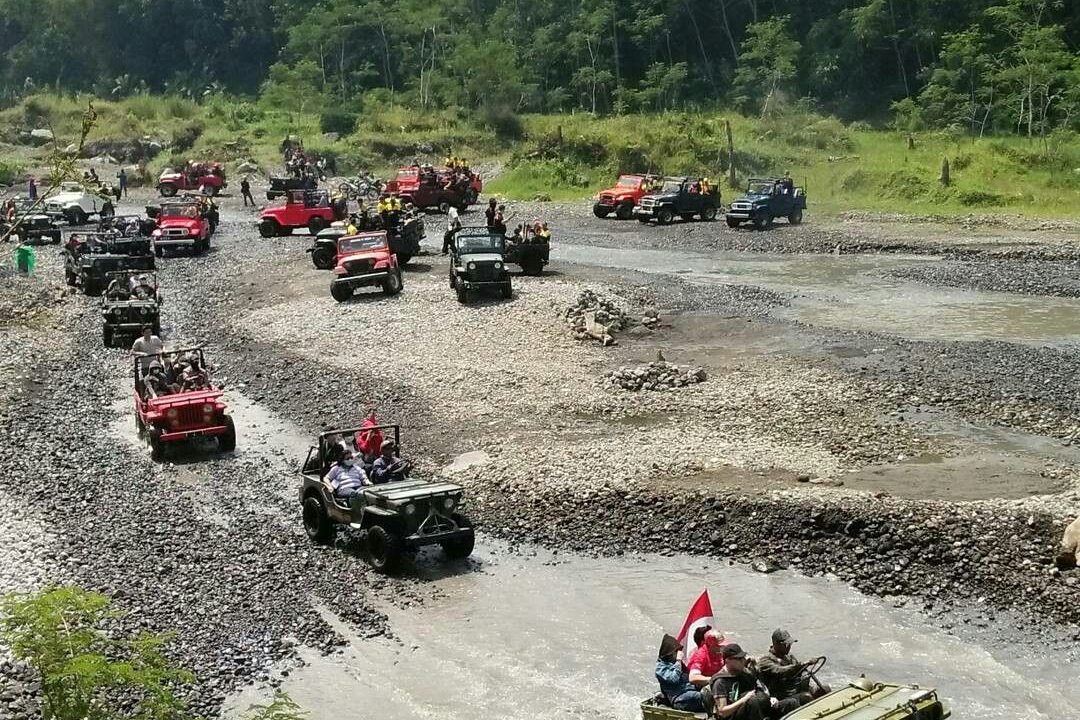
The tour is typically conducted by jeep, offering a safe yet exhilarating ride through the rugged terrain. Visitors get a chance to see the impact of the most recent eruption and witness the dramatic landscape that includes rivers of lava, forests regrown after devastation, and remnants of abandoned villages.
Key Features
-
Explore the Impact of Mount Merapi’s Eruptions: Mount Merapi is one of the most active volcanoes in the world. The Merapi Lava Tour takes visitors to areas that were heavily impacted by its eruptions, showcasing lava flows, ash deposits, and dramatic changes in the landscape. The most recent eruption in 2010 caused widespread destruction, and many of the tour routes pass through areas where villages were buried in volcanic debris.
-
Jeep Tour Adventure: The most popular way to explore Merapi’s lava fields is by jeep. The rugged off-road vehicles provide a thrilling ride through the volcanic terrain, including lava plains, rocky paths, and areas once buried under ash. The jeep ride is an exciting adventure that offers incredible views of the surrounding landscape.
-
Volcanic Landmarks: On the tour, visitors will see several key landmarks that tell the story of Mount Merapi’s eruptions. This includes:
- Bunker Kaliadem: A former emergency shelter for locals that was built after previous eruptions. The bunker offers a safe vantage point for visitors to witness the lava fields and surrounding volcanic landscape.
- Sisa Hartaku (My Remaining Assets): The remains of a house that was left behind after the 2010 eruption, giving visitors a glimpse into the life of those who lived near the volcano before the disaster.
- Lava Flows: View the hardened lava rivers and rocks that continue to shape the area, showcasing the destructive power of the volcano.
-
Natural Beauty and Scenic Views: While the main focus is on the volcanic terrain, the surrounding landscape offers breathtaking views of the mountains, valleys, and forests that make up the Merapi region. The combination of natural beauty and the impact of volcanic activity creates a striking contrast that draws photographers and nature lovers alike.
Activities to Enjoy
-
Jeep Ride Through Lava Fields: The main activity is a thrilling jeep ride through the Merapi Lava Tour routes. The off-road experience allows visitors to get up close to volcanic remnants, navigate rough terrain, and feel the adrenaline as they explore the remnants of the eruption. Guides share interesting facts about the area and its history, making the tour both exciting and educational.
-
Visit to Bunker Kaliadem: This is one of the most popular stops during the lava tour. The bunker was built as a refuge for local people in the event of an eruption. Visitors can walk inside the bunker, learn about its history, and take in panoramic views of the volcanic landscape from the safety of this vantage point.
-
Learn About Volcanic Activity: Throughout the tour, local guides explain the history of Mount Merapi’s eruptions, the science behind volcanic activity, and how local communities prepare for and recover from eruptions. This educational aspect adds depth to the experience, allowing visitors to better appreciate the power and danger of volcanoes.
-
Photography: The unique and dramatic landscapes of Merapi, with its volcanic rock formations, lava flows, and rugged terrain, offer fantastic opportunities for photography. Whether you are interested in landscape shots, action-packed jeep photos, or the contrast of destroyed villages, Merapi provides stunning photo opportunities.
Best Time to Visit
-
Dry Season (April to October):
The best time to visit for the Merapi Lava Tour is during the dry season, when the weather is more stable, and the trails are less muddy. The months from April to October are ideal for exploring the rugged terrain. -
Early Morning or Late Afternoon:
For the best views and to avoid the crowds, visiting in the early morning or late afternoon is recommended. These times offer cooler temperatures and a chance to witness the beauty of the landscape at sunrise or sunset.
How to Get There
-
From Yogyakarta:
The Lava Tour is easily accessible from Yogyakarta, which is about 30 kilometers from Mount Merapi. The journey takes about 1 to 1.5 hours by car or taxi. Most visitors opt to take a guided tour that includes transportation to and from Yogyakarta. -
Public Transport:
Public transportation options, such as buses or mini-buses, are available from Yogyakarta to the Merapi Lava Tour starting points. However, hiring a private vehicle or joining a guided tour is more convenient and offers flexibility.
What to Prepare
-
Comfortable Clothing:
Wear comfortable clothing and sturdy footwear suitable for the rough terrain. Since the tour often involves walking on rocky surfaces, hiking shoes or sandals with good grip are recommended. -
Sunscreen and Hat:
The sun can be intense, especially during midday, so be sure to bring sunscreen, a hat, and sunglasses to protect yourself from the sun. -
Water and Snacks:
It’s always a good idea to bring water and light snacks, especially since the tour can take a couple of hours and there may not be many places to purchase food along the way.
Accommodations
-
Hotels in Yogyakarta:
Many visitors opt to stay in Yogyakarta, where there are a wide variety of accommodations, from budget hotels to luxury resorts. From here, it’s easy to join a guided Lava Tour to Mount Merapi. -
Guesthouses Near Merapi:
If you prefer staying closer to the volcano, there are a number of guesthouses and homestays near the Merapi area that offer a more local experience. These accommodations provide a unique opportunity to stay close to nature.
Travel Tips
-
Safety First:
While the Lava Tour is safe, it’s important to follow the instructions of your guide at all times. The terrain can be rough and sometimes slippery, so be cautious and stay within designated areas. -
Hire a Local Guide:
It’s recommended to take the tour with a local guide who knows the area and can share information about the volcano, the local culture, and safety procedures. A guide will also ensure you navigate the terrain safely and help you get the most out of the tour. -
Check for Active Eruptions:
Before planning your visit, it’s important to check the current volcanic activity status of Mount Merapi. While the volcano is frequently active, tours are conducted in safe areas, but it’s always best to check local alerts.
Nearby Attractions
-
Mount Bromo:
A famous active volcano located about 3 hours from Merapi, Mount Bromo offers a different kind of volcanic experience. Visitors can enjoy sunrise views over the crater and surrounding Tengger Sand Sea. -
Prambanan Temple:
A UNESCO World Heritage site and one of the largest Hindu temple complexes in Southeast Asia, Prambanan is located near Yogyakarta and offers a striking contrast to the volcanic landscapes of Merapi. -
Borobudur Temple:
Borobudur is one of the most famous Buddhist temples in the world and is also located near Yogyakarta. It’s a must-visit for history and culture lovers.
The Merapi Lava Tour offers an unforgettable adventure, combining thrilling jeep rides, educational insights into volcanic activity, and incredible views of one of Indonesia’s most active volcanoes. Whether you’re an adrenaline junkie or simply looking to experience the raw power of nature, a trip to Merapi will leave you with lasting memories of its unique and dramatic landscape.