


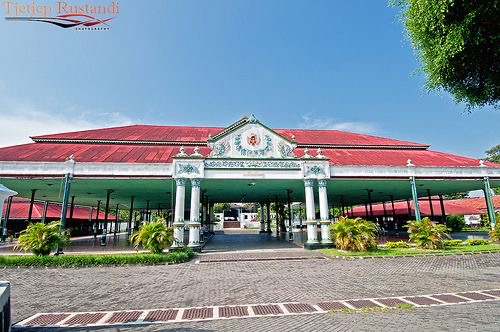

Overview of Keraton/Sultan Palace
The Keraton, also known as the Sultan Palace, is a royal complex located in the heart of Yogyakarta, Indonesia. This historical palace serves as the seat of the Sultanate of Yogyakarta, one of the remaining sultanates in Indonesia. As a cultural and historical landmark, the Keraton is a symbol of Javanese tradition, monarchy, and the rich heritage of Yogyakarta. The palace complex not only serves as the residence of the Sultan and his family but also plays an essential role in the cultural, political, and social life of the region.
Key Features
-
Historical and Cultural Significance: The Keraton is a living monument to Javanese culture and tradition, showcasing the region’s history through its architecture, rituals, and art. It remains the official residence of the Sultan of Yogyakarta, even though the Sultan’s powers are largely symbolic since the province of Yogyakarta was integrated into the Republic of Indonesia.
-
Traditional Javanese Architecture: The palace is an example of classical Javanese architecture, characterized by its intricate carvings, elegant structures, and traditional roof designs. The architecture of the Keraton reflects the grandeur of the Javanese court with a blend of local and colonial influences.
-
Museum and Artifacts: The Keraton also functions as a museum where visitors can learn about the royal family, Javanese culture, and history. The palace contains a collection of royal artifacts, including traditional Javanese weapons, royal costumes, antique furniture, and historical manuscripts.
-
Sultan’s Daily Life and Ceremonies: The palace is not only a residence but also a center for royal ceremonies and events. Many important Javanese rituals, dances, and traditional performances take place here, showcasing the living culture of the royal court.
Activities to Enjoy
-
Explore the Palace Grounds: The Keraton complex is expansive, with various buildings and courtyards to explore. Wander through the grand halls, beautiful gardens, and the Sultan’s personal rooms to get a sense of royal life.
-
Visit the Museum: The Sultan’s palace houses a museum with an impressive collection of royal artifacts. Visitors can see traditional Javanese attire, weapons, royal carriage, musical instruments, and even historical documents that showcase the Sultanate’s history.
-
Watch Traditional Performances: The palace hosts traditional Javanese dance performances and gamelan music, giving visitors an authentic cultural experience. These performances are often held in specific pavilions or during special ceremonies.
-
Photography and Cultural Immersion: Take photos of the grand architecture, intricate carvings, and cultural performances. Engage with the guides or locals to learn more about the deep-rooted history and traditions of the Sultanate.
Best Time to Visit
-
Morning Hours:
The Keraton is open to the public daily, but visiting in the morning (between 8:00 AM and 12:00 PM) is ideal to avoid the crowds and the heat. This also gives you a chance to see the daily activities and interactions at the palace. -
Special Ceremonial Days:
If you visit during special ceremonial days, like the Sultan’s birthday or other Javanese cultural festivals, you may have the opportunity to see the palace in full ceremonial mode with grand parades, dances, and traditional rituals.
How to Get There
-
From Yogyakarta City Center:
The Keraton is located in the heart of Yogyakarta, close to other major attractions like the Malioboro Street and Taman Sari Water Castle. It is easily accessible by foot, taxi, or becak (traditional rickshaw). -
Public Transportation:
Public transportation, such as buses and taxis, are available from major areas around Yogyakarta. The palace is centrally located and well-signposted.
What to Prepare
-
Appropriate Attire:
As the Keraton is a place of cultural and historical significance, visitors are expected to dress modestly and respectfully. Wearing proper attire will help show respect for the place and its traditions. -
Guide or Audio Guide:
To gain a deeper understanding of the palace’s history, culture, and significance, it is recommended to hire a local guide or use an audio guide, available in various languages. -
Sunscreen and Comfortable Shoes:
Since the palace is extensive and can involve walking around large courtyards, be sure to wear comfortable shoes. Sunscreen is also a good idea if you plan to walk outside in the gardens or courtyards.
Accommodations
-
Hotels in Yogyakarta:
Yogyakarta has a range of accommodations, from budget hostels to luxury hotels, many of which are located near the Keraton. Staying near the palace allows easy access to other attractions in the city as well. -
Homestays and Guesthouses:
For a more authentic experience, visitors can stay in traditional Javanese homestays or guesthouses around the palace or in the city center.
Travel Tips
-
Respect Royal Traditions:
When visiting the Keraton, be mindful of local customs. Avoid loud behavior and ensure that you are respectful of the space, particularly in areas where ceremonies may take place. -
Photography Restrictions:
Be aware that photography may be restricted in certain areas of the palace or during specific ceremonies. Always ask permission before taking photos, especially of the royal family or private rooms. -
Check for Events:
The palace often hosts special cultural events, performances, and ceremonies. It’s a good idea to check the event calendar to coincide your visit with a traditional performance or festival.
Nearby Attractions
-
Taman Sari Water Castle:
Located nearby, Taman Sari is another historical site that once served as the Sultan’s royal garden and bathing complex. Its beautiful architecture and serene pools make it a perfect follow-up visit. -
Malioboro Street:
A famous shopping street in Yogyakarta, Malioboro offers a variety of local crafts, street food, and souvenirs. It’s a great place to experience the local culture after your visit to the Keraton. -
Borobudur Temple:
A UNESCO World Heritage site and one of the most famous Buddhist temples in the world, Borobudur is located about an hour from Yogyakarta and offers a glimpse into Indonesia’s spiritual history. -
Prambanan Temple:
A beautiful Hindu temple complex also near Yogyakarta, Prambanan features grand architecture and intricate carvings that tell the story of Hindu epics.
The Keraton or Sultan Palace is not only a physical structure but a living symbol of the rich cultural heritage of Yogyakarta. It offers visitors a chance to step into the world of Javanese royalty, experience traditional performances, and learn about the historical significance of the Sultanate. Whether you’re a history buff, a culture enthusiast, or just looking to explore the beauty of Yogyakarta, a visit to the Keraton is an unforgettable experience.